
Reporting
Ecommerce Dashboard Guide: Build One That Drives Decisions 2026
This ecommerce dashboard guide is about building one screen that actually helps you run your store. Strip away the marketing language and an ecommerce...
This ecommerce dashboard guide is about building one screen that actually helps you run your store. Strip away the marketing language and an ecommerce...

AI customer service uses artificial intelligence to handle customer support conversations: answering questions, tracking orders, processing returns, and resolving issues across chat, email, and...

AI product descriptions use generative AI tools to write the copy that describes and sells your products. For a store with hundreds or thousands...
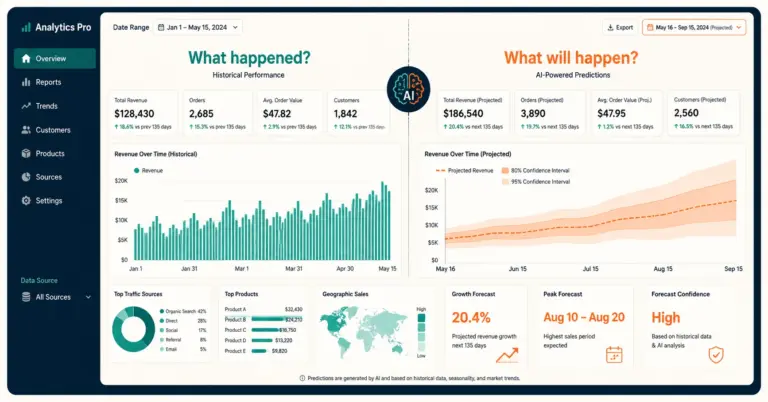
Predictive analytics in ecommerce turns the data your store already collects into forecasts that inform decisions before those decisions become urgent. Instead of discovering...
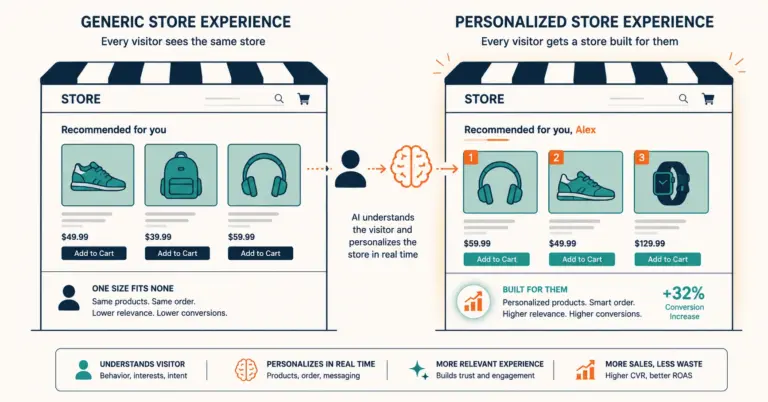
AI personalization in ecommerce uses machine learning algorithms to customize each visitor’s shopping experience based on their behavior, preferences, and purchase history. Instead of...
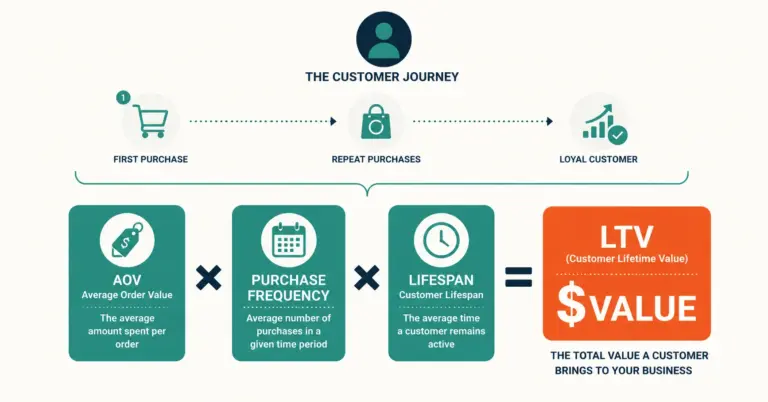
Lifetime value calculation for ecommerce measures the total revenue or profit a single customer generates across every order they place with your store over...
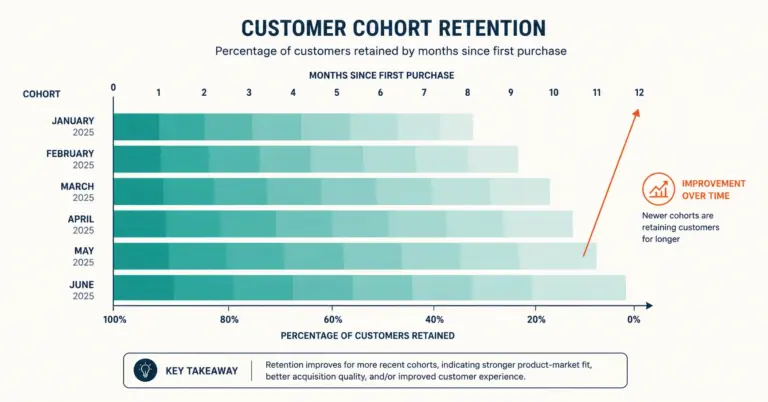
Cohort analysis is the practice of grouping customers by a shared characteristic, most commonly the month they made their first purchase, and tracking how...
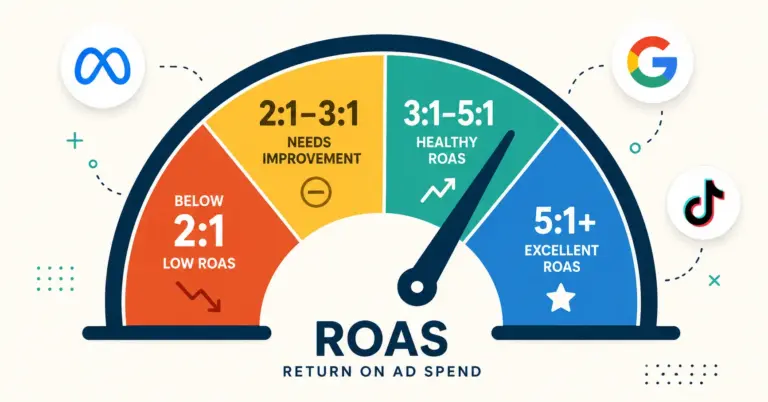
ROAS benchmarks give ecommerce brands a reference point for evaluating whether their advertising performance is competitive, underperforming, or exceptional. ROAS (Return on Ad Spend)...
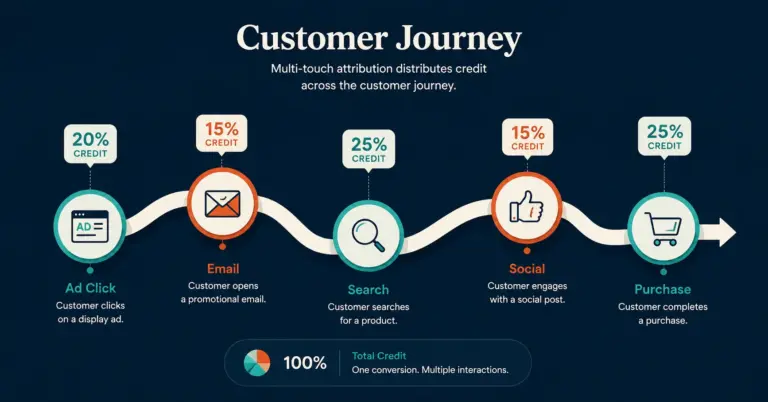
Attribution modeling is the process of assigning credit for a sale or conversion to the different marketing touchpoints a customer interacted with before purchasing....
Ecommerce tracking setup is the systematic implementation of analytics, tag management, and conversion pixels that captures user behavior, revenue, and attribution data on an...